Sleep Your Way To The Top!

“Sleep your way to the top” were the words from the inspirational Arianna Huffington in her famous TED talk. She then goes on to describe the sleep loss epidemic that we currently face and how sleep scarcity is worn as a badge of honour. Huffington is speaking from a position of experience, after she collapsed at work due to exhaustion, breaking her cheek bone and requiring stitches in her head, she radically changed her ways. She depicts a world where meetings and calls are being scheduled at painfully earlier times, the working day getting longer and longer. Combine this with our increasingly action packed personal lives and our thirst for hyperconnection, our poor sleep cycle is feeling the brunt!
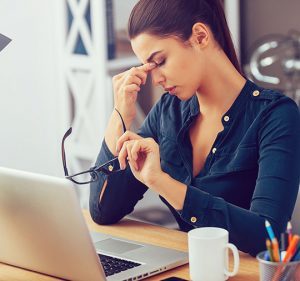
These wired and tired, restless nights are all too common and the cost to us is huge! I think we already recognise some of the immediate effects of sleep loss, feeling more anxious, forgetful, excessive hunger and generally less tolerant and patient with just about anything. However, Matthew Walker, Director of the Center for Human Sleep Science at the University of California, Berkeley, says the consequences of this “catastrophic sleep-loss epidemic” are far graver than any of us could imagine. I was lucky to meet Walker whilst he was in the UK recently, he has spent the last 4 and half years writing a book Why We Sleep the book examines the effects of this epidemic close up, the idea being that once people know of the powerful links between sleep loss and these things they will do all they can to ensure they get their 8 hours a night:
- Mental health. There is not a signal psychiatric disorder that sleep disruption is not implicated in!
- Diabetes. After a week of sleeping too little (less than 6 hours in this particular study) subjects became pre-diabetic!
- Immune System. With just 4 hours sleep we reduce our natural killer cells by 70%, these guys are essential to our immune function and controlling things such as cancer development. Chronic sleep loss listed by the WHO as a probable carcinogen!
- Hormonal health. With 5-6 hours sleep, in a study of men, hormones such as testosterone were down-regulated to levels of men 10 years older!
- Cardiovascular disease. Each year during the daylight saving clock adjustment, where we lose just an hour’s sleep, there is an increase of 24% in heart attacks!
- Obesity. Short sleep duration is one of the strongest risk factors for obesity. In one study, children and adults with short sleep duration were 89% and 55% more likely to become obese, respectively.
Another key takeaway from meeting him was debunking the myth that we can get by on small amounts of sleep, the number of people who can survive on five hours of sleep or less without any impairment, expressed as a percent of the population and rounded to a whole number, is zero.
The good news is getting more restful sleep improves measurably, most (if not all) health outcomes, increases levels of focus, maximizes productivity, enhances working memory, creates positive emotional wellbeing, upgrades athletic performance and ultimately affects how long we live (well!). So, what can we do in our busy lives, to start to reap the benefits of this success strategy? I suggest these 3 steps as a starter, to get your sleep back on track:
- Schedule time for sufficient sleep – begin at 8 hours and keep a sleep diary to monitor if you need a little more or less. Remember you can’t change the things you that you don’t notice – write it down for a week or more.
- Create a consistent wind-down ritual – known as sleep hygiene in the medical world. Your internal sleep clock likes predictability and regularity. What will that final hour look like for you? Hint: Less screens, less light, less food, more warmth, more comfort and more chilled
- Use stimulants wisely – starting with coffee (the world’s second-most widely sold commodity, after oil). Others to note are alcohol, sugar and nasties in energy drinks. Notice, I suggest wisely, not a complete avoidance (except the energy drinks, they are a chemical explosion in a can, please avoid). Context is key, if you need coffee as a daily prop, go back to point 1 and then look, honestly at your use of stimulants. Otherwise, avoiding caffeine after midday is recommended and not having more than 2 coffees per day – maybe less for some (me included). For alcohol, it is not the sleep remedy we often think, as alcohol is metabolized it also acts as stimulant on the body, best avoid that glass of vino, if you want a proper night’s rest.
In conclusion, sleep is not a luxury, it is a non-negotiable biological necessity! Don’t cheat yourself that’s it not, instead start transforming your life, one night at a time.
For some inspired further reading checkout Matthew Walker’s Why We Sleep and Arianna Huffington’s The Sleep Revolution. It would be great to hear from your thoughts, feedback/comments/questions on the topic of sleep?


New Book Coming Soon!
'Work Fuel' is co-written by Colette Heneghan, Optimum Living and Graham Allcott, the original productivity Ninja due to be released March 2019